PoW: Favero Assioma Bike Power Meter Pedals
4th week of July 2025's Product of the Week by équipe

Every week, we publish a product that we love and we’ll tell you why. You can expect the real “street talk” about the item and the true experience of using the item you wouldn’t be able to get from your desktop research. We’ll share how we evaluated it and what we looked for. This is the real art meets science of product reviews.
This week’s Product of the Week are the Favero Assioma: Bike Power Meter Pedals. Niche? Yup. Relevant? Highly. In light of the Tour de France and the Tour de France Femmes currently, this only makes sense for a #productoftheweek.
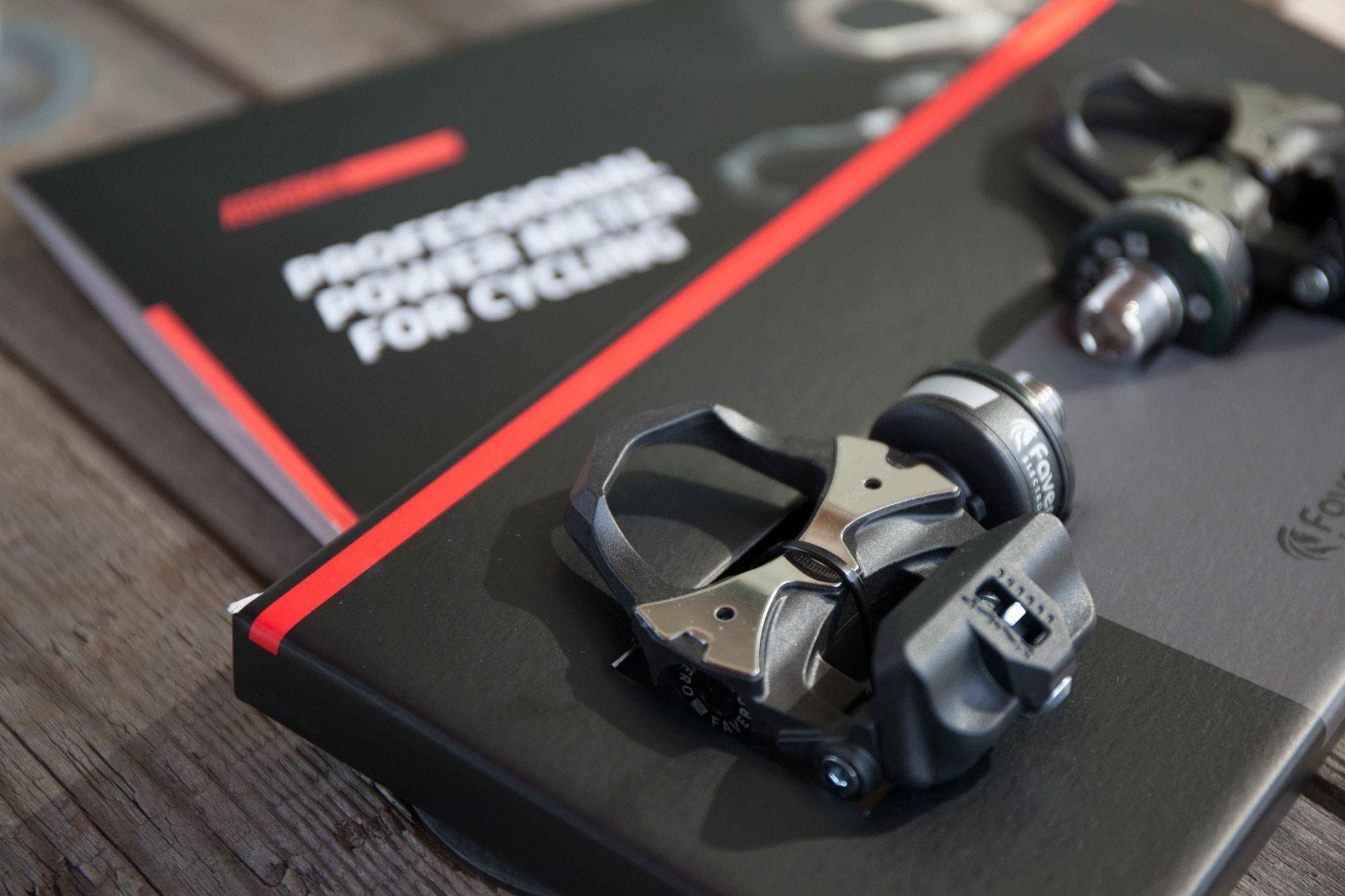
Okay, what even are Bike Power Meter Pedals? What is bike power? Let alone metered pedals? What?
First, when cycling, a rider exerts power through each pedal stroke. That force can be measured as "power”. To track and measure that power output can be done in many methods: via the cranks, pedals, chainring/spider, or the hub, are the most commonly used today.
Today, we’ll talk about the pedal version.
Why track power is obviously a precursor, here’s great reading to understand why one should consider training with power.
Favero Assioma, like many things in cycling, are from Italy. Favero offer top of the line bike power meter and pedals for road and off-road. They provide various options to elevate cyclists’ bike training.
The Bike Power Meter Pedals we’ll look at today are the Favero Assioma Unos and Favero Assioma Duos. Generally used for road cycling, the biggest difference between these two are you guessed it, single or double sided meters. The Unos have a sensor only on the left pedal, while the Duos have it on both pedals.
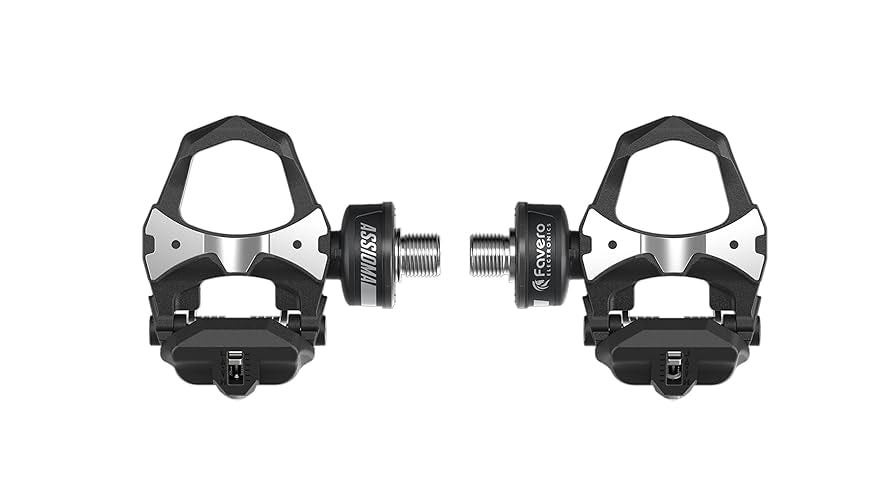
For evaluating a power meter, particularly pedals, here’s what’s important and how the Favero Assioma Power Pedals score:
Accuracy and consistency: The main reason to get a power meter is to gather reliable data for training and pacing. These pedals are best in class and are almost 100% accurate with a 5-10% potential discrepancy ceteris parabus (think, wind, leg length variation etc.)
Score: 5 / 5 - from real users and testing against other meters, these pedals are best-in-class and offer near ±1% accuracy, with only a 5–10% potential discrepancy under real-world conditions (ceteris paribus)—such as wind resistance, terrain changes, or physiological asymmetries like leg length differences.
Left/Right balance: Along with accurate and consistent data is capturing the detailed diagnostics for left and right balance. This ensures injury prevention and provides riders with insights for power discrepancies.
Score: 4.5 / 5 - must get Assioma Duos in order for dual-sensing, although Unos are mostly accurate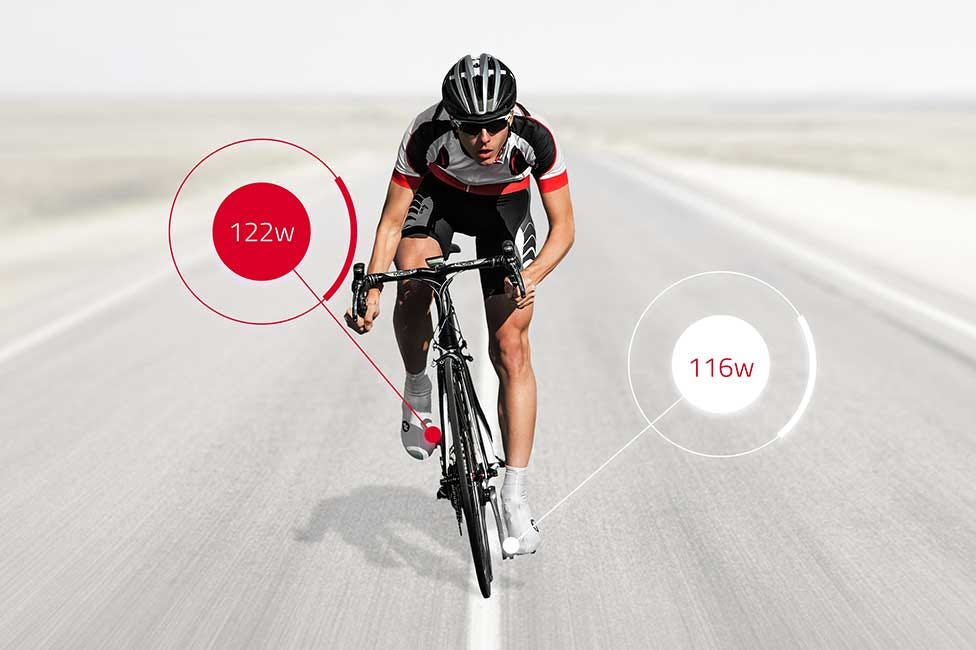
Visual representation of the pedal power meters in action Pedal type compatibility: With the many cleat options and rider’s having preferences, the power pedals should be easily compatible with the cleats.
Score: 3 / 5 - unfortunately, this isn’t as easy as it could be. Riders who are already using the Look Keo system, can easily use the Assioma Pedals, while riders who prefer the Shimano SPD-SL will need to pay to get the SHI spindles to adapt their SPD-SL cleats - at a hefty price tag too just for the spindles.
They recently launched a new generation Assioma Pro RS, so that they are compatible to SPD-SL cleats, but it only took them up to this year to do this, and the score is reflective of that delay and historic pain for cyclists relative to other competitor brands.Battery life: This is especially important for long rides, without a long battery life it can impact reliability and of course the headache to have to remember to charge constantly. It’s preferred to have a rechargeable battery over a replaceable battery / coins.
Score: 5 / 5 - luckily, the Favero Assiomas are a rechargeable battery and its battery life last a very long time (~50 hrs). Depending on how often you ride, one could go months without having to re-charge. It will also notify you on your bike computer or Favero mobile app.Connectivity and construction: Connectivity is key to be able to pair and display the power on a compatible device like a bike computer. Generally, it is through ANT+ & Bluetooth, simultaneous is ideal. This is table stakes as all major brands support this. As such, it is also important to consider construction and user experience, i.e. the weight, stack height and durability.
Score: 5 / 5 - Assiomas have ANT+ and Bluetooth simultaneous connectivity, it also provides a very low stack allowing for effective pedal stroke and fit. These pedals are highly durable and perform reliably in wet and adverse weather conditions.
Price: Bike parts and tech all add up. Power meters can be considered more advanced and aren’t cheap. They are an investment to one’s development to the sport. While not necessary or required in any way, it is important to consider features per dollar.
Score: 5 / 5 - Bluntly put, the Assioma’s are expensive, some of the most expensive power pedals on the market. But worth the high price tag on price to performance.
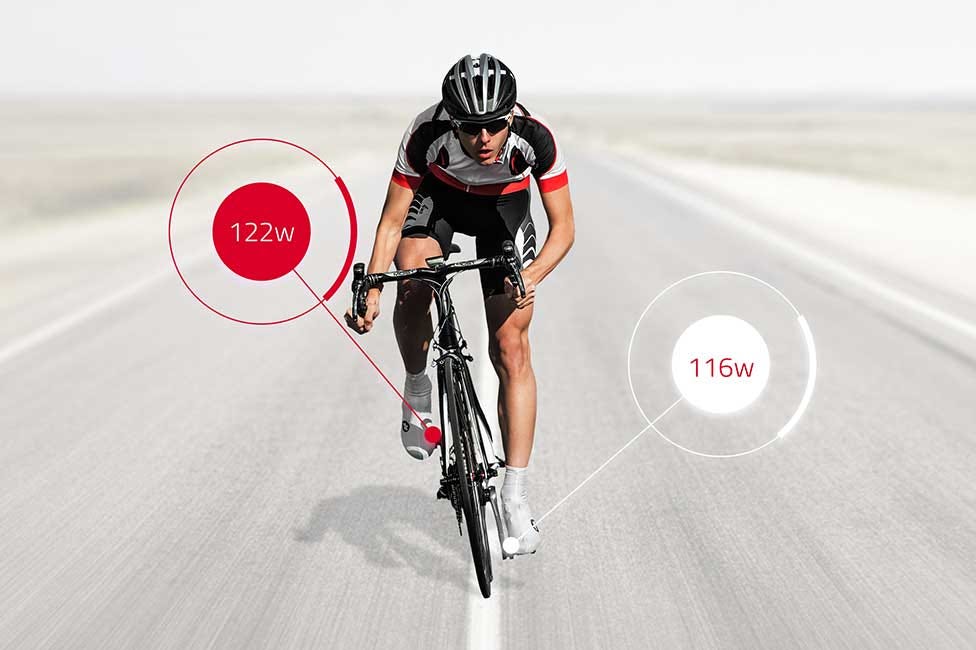
The biggest benefit of using power pedals as the option to track power is the ease of installation and ability to swap between bikes or for travel. Unlike a crank power meter, it’s simple to take off and put on.
If you’re on the market for a power meter to really take that next step to improve or elevate your cycling, we rate and recommend the Assioma Favero Power Pedals.
Depending on your needs, goals, and budget, the Unos or the Duos are a great option — as well as consider second hand options to flex on the budget.
So with that said, we know the pros on the Tour are using it, so we think it’s safe to say, these are some of the best power meter pedals on the market. Vive le Tour.
Ride on!
PS: Here's a cost per use evaluation
Assioma Duo ($659) pays off in ~13 months—about 300 rides or 600 hours. After that, cost-per-use drops fast: under $2.50/ride, and ~$0.75 over 3 years.
Ride on!